Chapter One
I found Chapter One fairly easy to complete with prerequisite knowledge from GIS291. Additionally, have had taken the introduction course, I was familiar with basic operations such as basemaps and operational layers, and the levels of sharing for ArcGIS Online projects. I found the most difficult part to be learning how to edit and manage fields in the online version of ArcGIS, as it is formatted quite differently from the desktop version. Additionally, some of the formatting for the ArcGIS Online program seems to either differ by computer or has been updated since the textbook was written. Some of the screenshots looked very different to what I had, but everything functioned correctly, and I was able to complete the assignment with no substitutions or internet searches for clarification.
Chapter Two
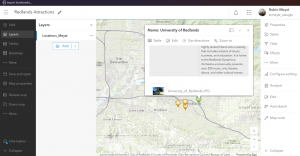
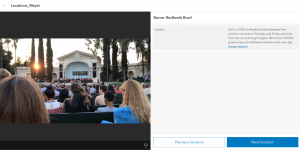
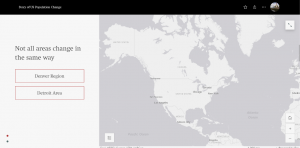
Chapter 2’s tutorial took longer for me to complete, and was generally more challenging, but did introduce some very helpful concepts for learning GIS Online. Namely, the coding section of the pop-ups was fairly difficult to complete and was entirely new to me. It reminded me of some of the Python expressions assigned to complete in GEOG291, but was now entirely unfamiliar to me. Additionally, similarly to Chapter One, there were some sections of the textbook which had outdated or vague information, but luckily, it was fairly simple to complete. The story was tedious to complete, but incredibly important for refreshing my knowledge on Story Maps in GIS and how to accurately create them, especially in an easy-to-process format.
Applications
Some of the applications for my data that I have considered was mainly understanding median income in major US cities. Comparing population growth to median income could also help those considering moving out-of-state analyze the potential for competition in their job field, or to compare their current nearby city to the income level and population growth of a nearby city. An application for the first chapter’s data could be creating brief tour guides or highlights of an area, aimed at highlighting landmarks to tourists.