


“Wicked” : Are You Elphaba or Galinda? | Emma Rothenfeld

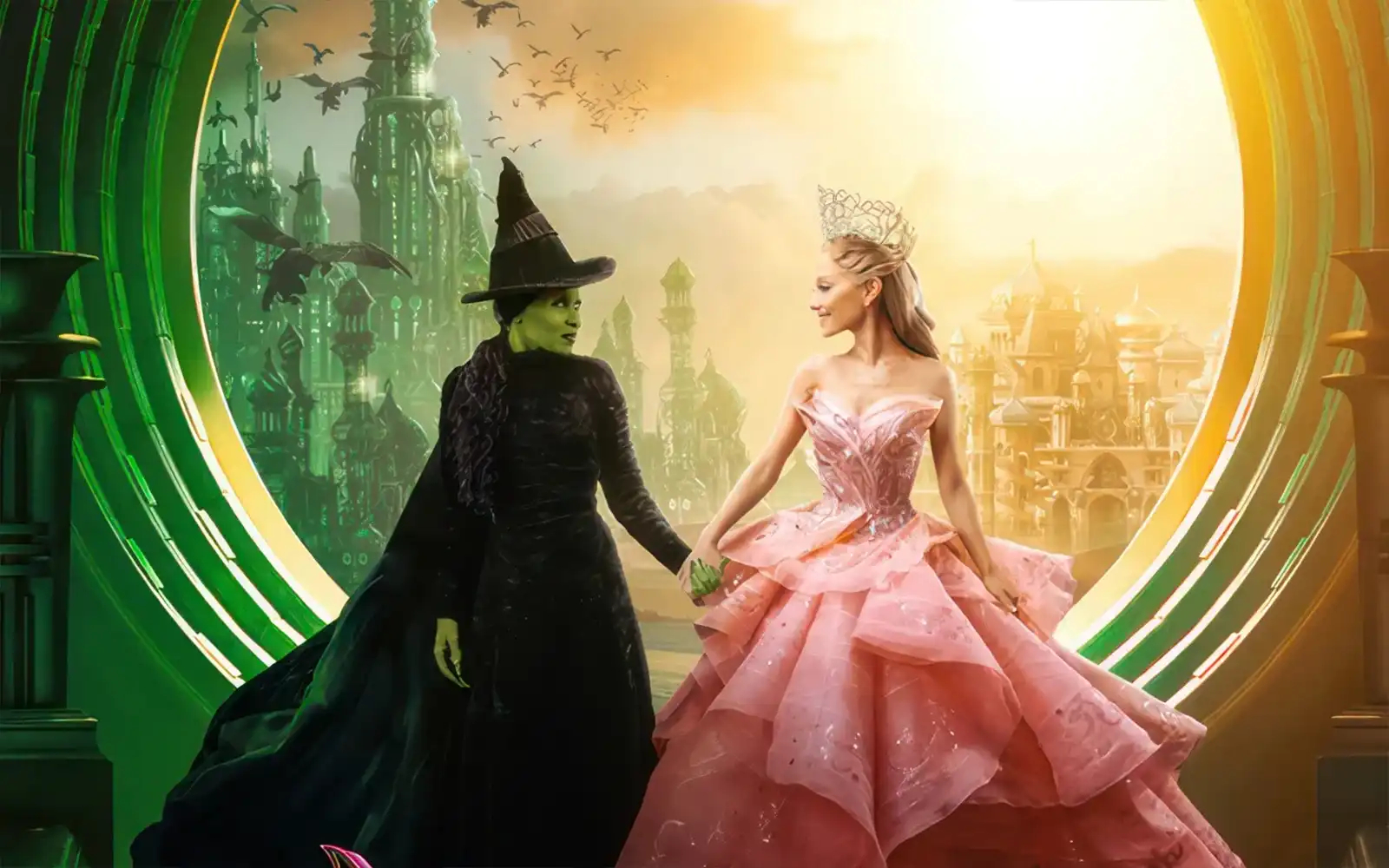
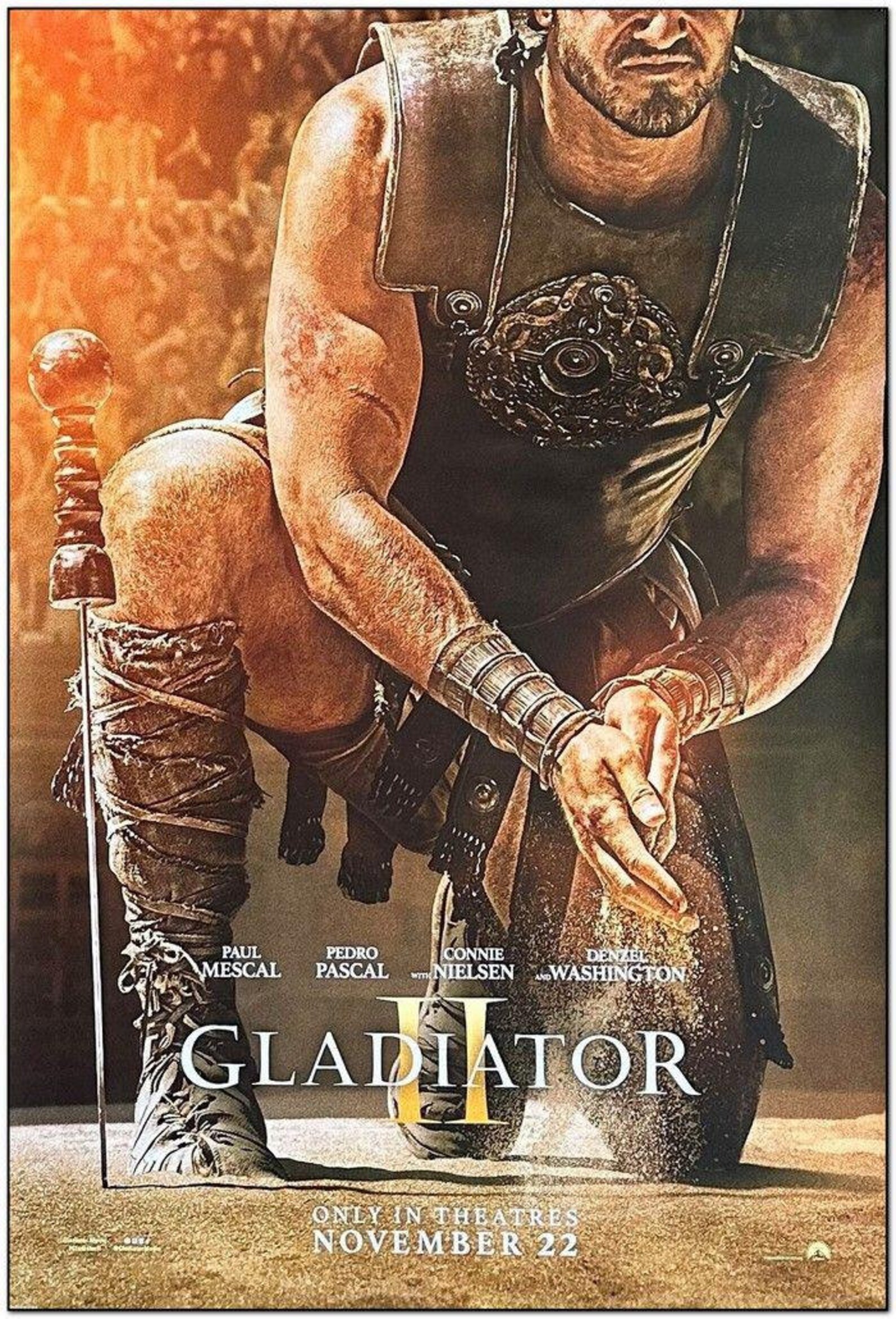
“Are people born wicked? Or do they have wickedness thrust upon them?” A line from the opening song that cements a popular theme that drives the narrative of “Wicked” throughout the film. The line itself is sung by Glinda (or rather Galinda), the Good Witch of the North, which is in reference to the Wicked Witch of the West, otherwise known as Elphaba.…

My Lady Jane: Reframing History by Josie Green (’25)

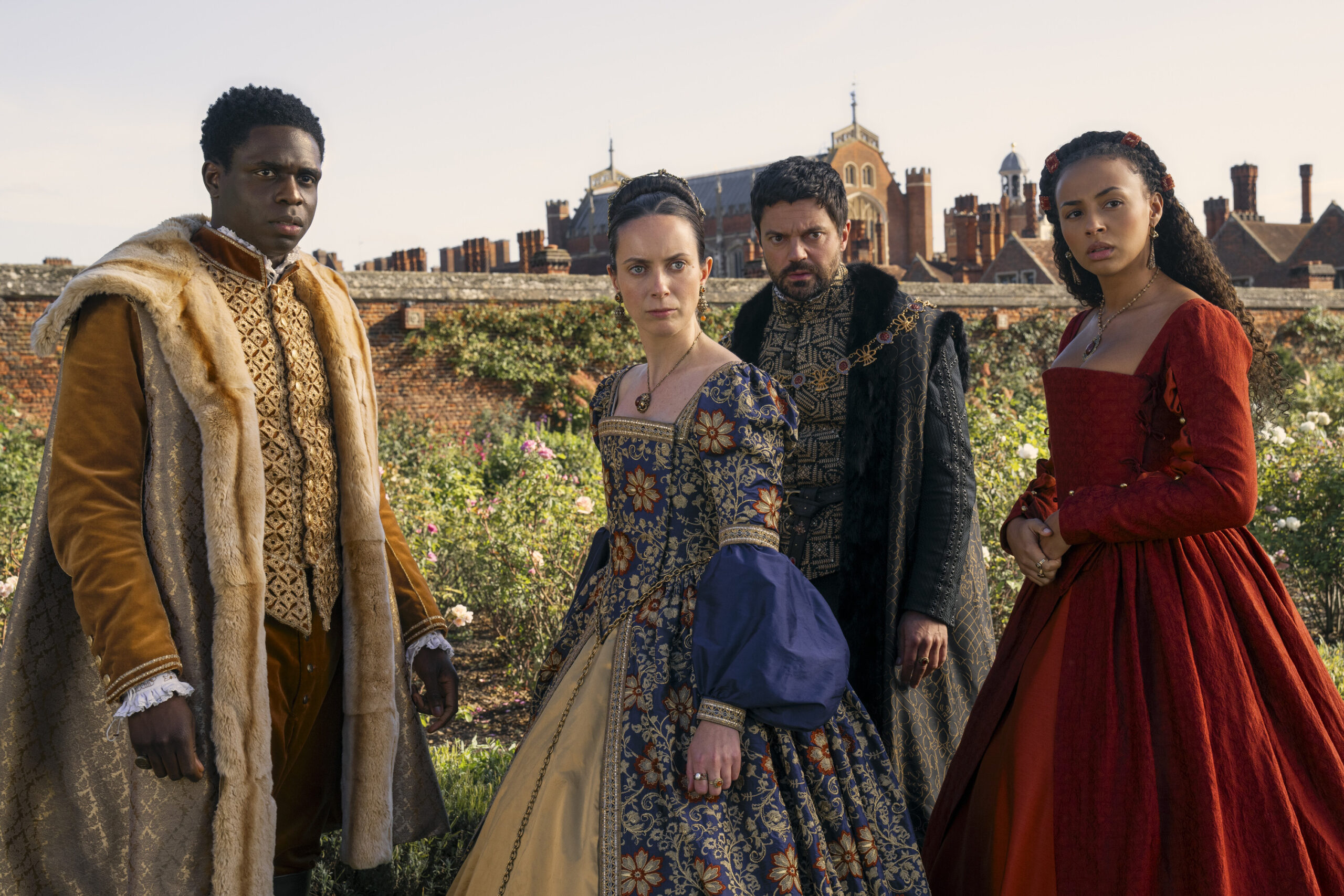
The life of the former Queen of England, Lady Jane Grey, was anything but a comedy. Her life was certainly not a story most would make the center of a historical, fantastical, romantic comedy. But a 2016 novel, My Lady Jane, by Cynthia Hand, Brodi Ashton, and Jodi Meadows did just that – and eight years later the Amazon Prime television show My Lady Jane was born.

Devotion and Disruption in Two Amazing Stories from The Complete Fiction of Nella Larsen by Serena Sweeney (’26)

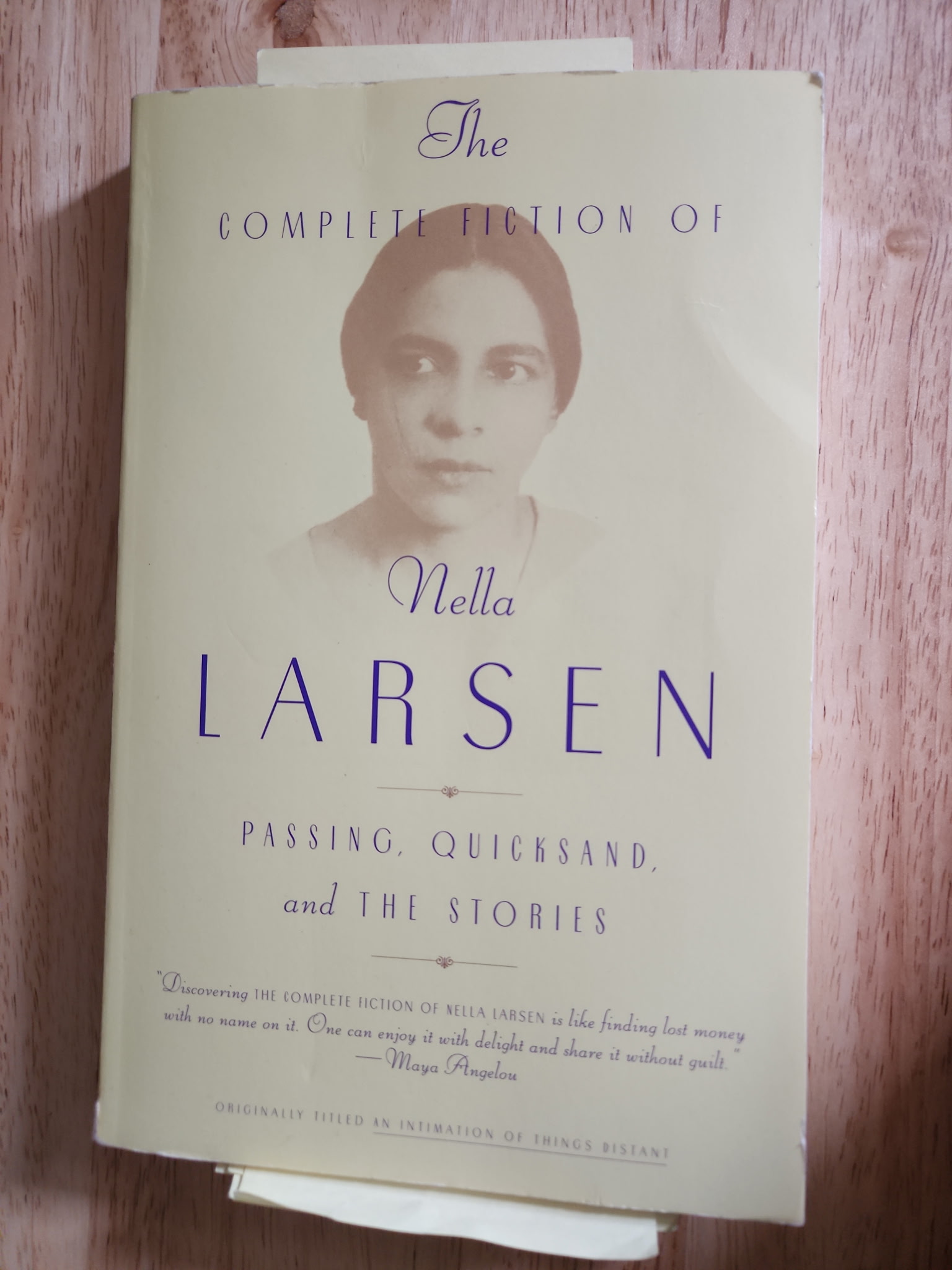
The Complete Fiction of Nella Larsen was originally titled An Intimation of Things Distant. It consists of five fiction stories by Nella Larsen that were written in the 1920s during the Harlem Renaissance, which was a movement to foster Black culture and pride through literature, art, and music. The pieces in her collection discussed tensions and hardships of the Black middle class in Harlem during the 1920s: restlessness, isolation, searching for belonging, psychology, marriage, race, and the complexities of having mixed-race heritage.

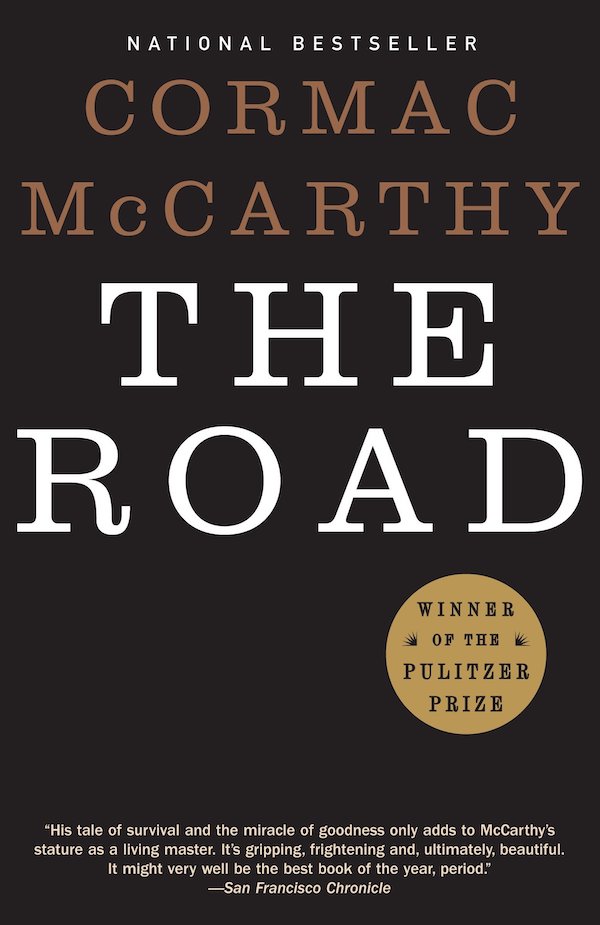
The Road by Cormac McCarthy: Lessons in Hope, Love, & Pursuing Goodness by Josie Blosser (’27)

(Note: This review is not spoiler-free)

In times of political unease, it is important to remember the value of books, the lessons and the values that they contain.  Given the current political climate, one of the greatest examples of a book with such values and lessons is the Pulitzer Prize-winning novel “The Road” by Cormac McCarthy, first published in 2006. 

The Midwest Home: A Visit from Marianne Chan by Serena Sweeney (’26)

On Thursday, March 6th, before we all went on Spring Break, the English Department was pleased to host poet Marianne Chan as part of the Poets & Writers Series. Chan read poems from her recently published collections All Heathens and Leaving Biddle City. She also shared a few poems that she is currently working on as part of her next collection.

Serena Sweeney (’26): Why I Majored in Creative Writing

In all honesty, writing was not my first love. It was not the career path that I was willing to center my future around, not immediately. However, it was always there in my life somewhere. As a child I had a great passion for art—painting, drawing, and such. I remember the fun I had making drawings for the kids in my first-grade class who would give me a quarter to draw whatever they wanted. 

Josie Blosser (’27): For the Love of a Book

If someone were to ask why I chose to become an English Literature major, at first the question might make me laugh. When I think back on my life, it feels obvious, it’s hard to imagine myself ever choosing a different path. I’ve loved reading my whole life, after all. And yet, I realize that I really didn’t decide to become an English Literature major until my freshman year of high school.

V. Where Coal Once Burned

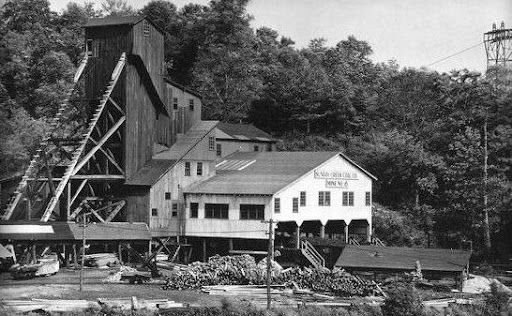
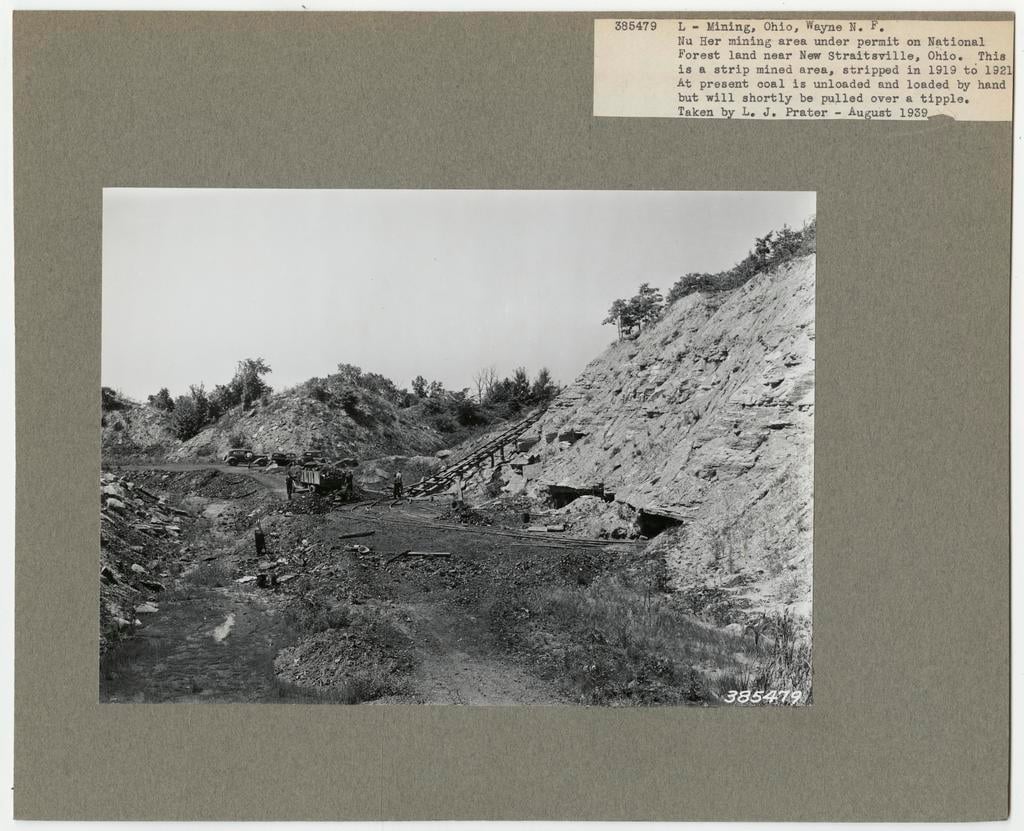
Hundreds of unidentified coal mines burrow beneath the surface of Perry County, Ohio, and its surrounding communities, forming a skeleton of the region’s once-thriving economy. These towns, known as The Little Cities of Black Diamonds, once thrived; reliant on coal, miners, and the economic flow this industry supplied. However, since coal’s peak in Ohio during the 19th century, industrialization, technological advances, and shifting energy priorities have pushed the industry into decline, weakening the demand for coal. 

IV. Ohio’s Forgotten Mining History

Abandoned small towns throughout the Southeastern Appalachian region of Ohio share roots deep within the mining industry. These towns are commonly called “Little Cities of Black Diamonds,” honoring their historical ties to coal, industrialization, and once flourishing economies. 

 Perry County, Ohio, is among these Little Cities of Black Diamonds. Once an industrial hub consisting of multiple coal boomtowns, Perry County and its residents have faced economic declines since the mid-1900s.