For as long as heroes have existed, so have anti-heroes. While ‘anti-’ as a prefix is typically meant to mean opposite, this is not quite true for the term anti-heroes. Anti-heroes are not villains, though they are able to be protagonists or antagonists. Instead, an anti-hero is simply meant to mean opposite of a traditional hero. This allows the anti-hero to be a flexible character, as what defines a traditional hero is something that depends on the time. While not necessarily lacking bravery, anti-heroes often have an absence of morality, or their own moral code, typically with a looser idea of right and wrong. Their motivations are usually more personal, rather than grounded in a broader sense of justice, as one might imagine of a typical hero.
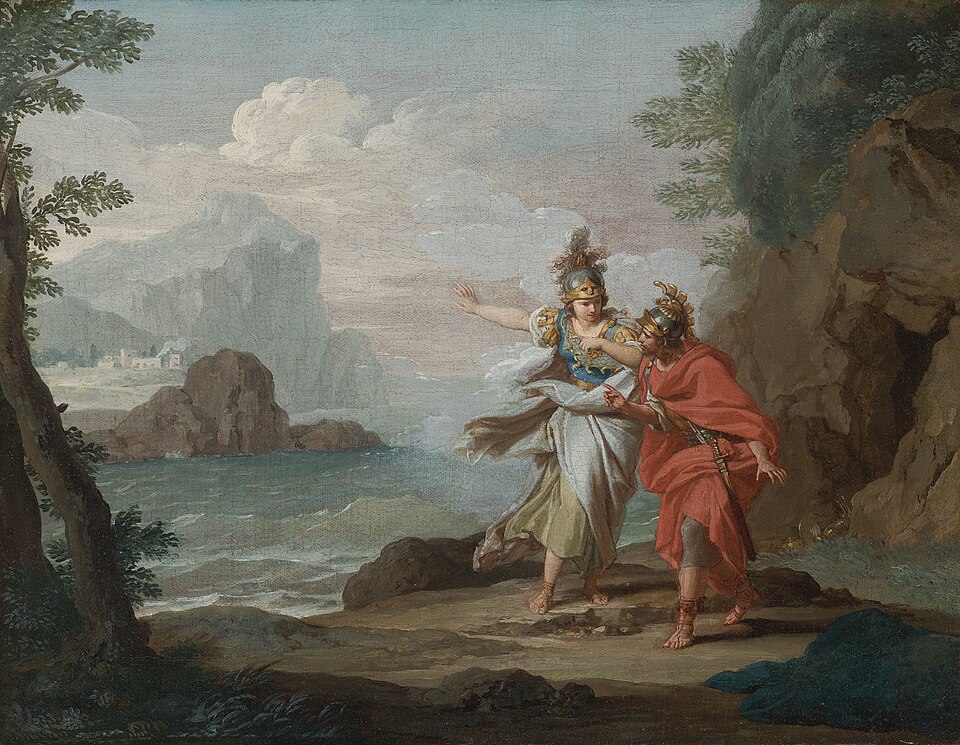
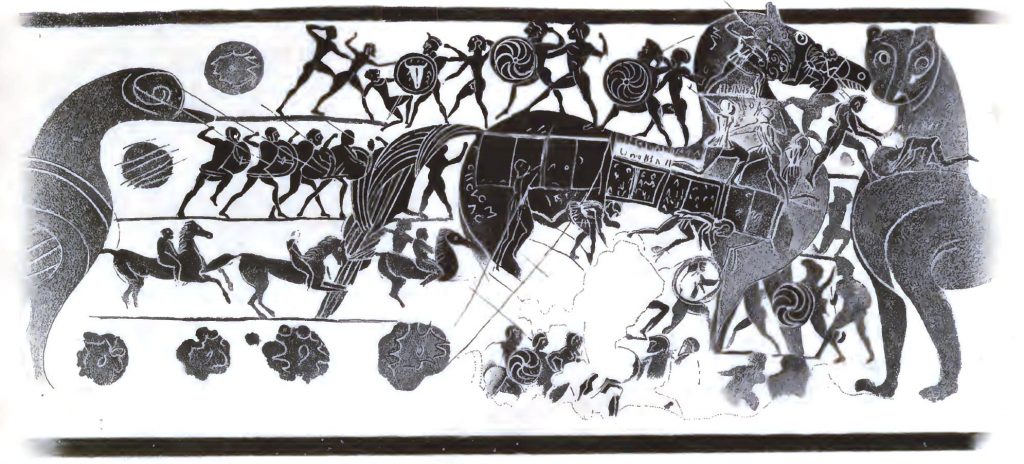
Odysseus, who is the central character of the Odyssey and a featured warrior in the Iliad, is an example of an ancient anti-hero. A large part of this comes from the fact that Odysseus’s strength is tied to his intelligence and craftiness, rather than physical strength. Ancient Greece was an honor-based culture, and they valued physical strength and prowess in combat as the defining characteristics of honor. An Ancient Greek hero would have been expected to seek areté (excellence) and kleos (glory) largely through battle. This is not to say that Odysseus was not a capable warrior, only that many of his most-well known feats are a result of his intelligence and trickery. For example, when Odysseus takes down the giant Polyphemus, he does so by tricking him. Aside from such trickery, Odysseus also frequently puts his crew in danger, prioritizing his own desires over their safety. This is not the first time he has prioritized himself over what might be considered the right thing to do. Odysseus had made a pact to defend Helen should she ever be abducted, but he tried to pretend to be insane so he would not be forced to go, as he was aware that there was a prophecy that stated his journey home would be greatly delayed. Even his major role in ending the Trojan War is an act of trickery; it is Odysseus who comes up with the idea of the Trojan Horse. The Ancient Greeks did not appear to think lesser of Odysseus, as he was a good warrior, and perhaps they admired the lengths he would go to in order to ensure victory. However, many characters also recognize the complexity of Odysseus’s nature, such as in Virgil’s Aeneid, where Odysseus is called “deceitful Odysseus” and “cruel Odysseus.” Even in The Iliad, Achilles makes a jab at Odysseus, emphasizing that he will say what he has to say “straight out,” a direct contrast to Odysseus, who was not known for being straightforward.
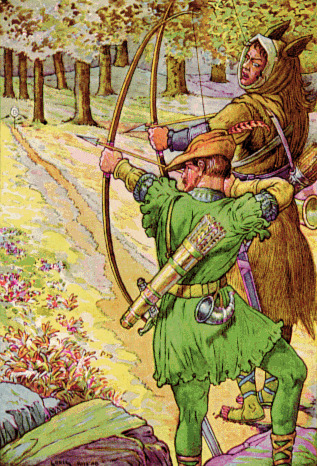
Medieval anti-heroes are like ancient ones, centered around honor. Perhaps one of the most famous and well-known anti-heroes is Robin Hood, who famously commits the crime of stealing, but gives those riches to the poor who need it. Robin Hood is an example of the literary trope of the “noble outlaw,” but this has been traced to contributing to the Byronic hero, which in turn, is considered as leading to our modern conception of an anti-hero. Robin Hood is acting for a broader sense of justice, hence why we might not consider him an anti-hero, yet still, his method of seeking justice can be seen as morally dubious. It is also worth noting that in the earliest ballads of Robin Hood it is made clear that he is a commoner, which is unusual in the time period: traditional medieval heroes are aristocratic. Still, Robin Hood acted with honorable intentions, something he had been admired for both in his own time and in our current time.
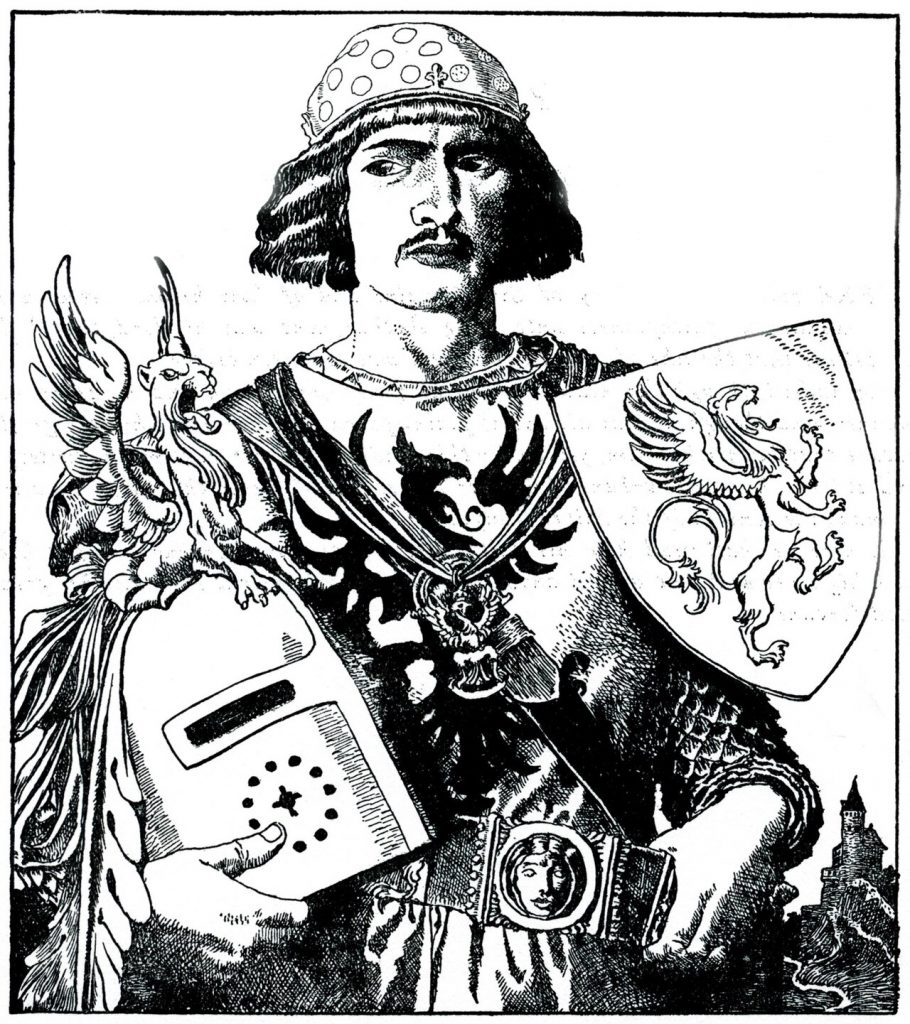
Sir Gawain, Knight of the Round Table, is another example of a medieval anti-hero, and perhaps closer to our modern idea of what an anti-hero is. Sir Gawain appears to be a more traditional hero, not only being a knight and a member of nobility, but he is also directly related to King Arthur. However, in Malory’s tale Gawain is a complex figure. The first introduction of him has Gawain deny mercy, and in doing so, accidentally murder a young woman. In the grail quest, Gawain fails to recognize his spiritual failings, accidentally kills his cousin, another knight, Sir Uwain, and refuses to do penance. The consequence of this is that not only does he not get to see the holy grail, but he finds no other adventures along the way, depriving him of the chance to gain any honor. Gawain is frequently referred to as hot-tempered, and it is his inability to forgive Sir Lancelot for the accidental killing of his brothers, that leads to the war between Arthur and Lancelot, and the ultimate breakage of the Round Table. Yet, Gawain is not written as somebody evil. He believes he is doing the right thing, and often he does. He is the first to defend Guinivere when she and Lancelot have been accused of adultery, and refuses to fight against Lancelot, even when King Arthur says it must be done. In addition to that, when Gawain does wrong, he is shown to be the type of character willing to recognize his wrongs and try to correct them. After he accidentally kills the young woman, Gawain takes an oath to defend all women and never once goes back on it. Similarly, Gawain also comes to recognize that he was wrong regarding his fight with Lancelot. Gawain writes a letter as he dies, apologizing to Lancelot and attempting to bring the Round Table back together. While he does not succeed, there is a level of redemption at play in his tale that is both moving and frequently what draws people to anti-heroes in the first place. In addition to that, there is a complexity to Gawain that, like many anti-heroes, makes for an appealing and interesting character. Gawain’s complexity allows him to be a flexible and dynamic character, who is able to be used in a variety of ways. While he is frequently called short-tempered, he is also called courteous more times than all the other knights in Arthurian literature. The emphasis on both his good and bad traits allows him to be imagined in various and often contrasting ways. He can be thought of highly, as the best of the knights, which is seen in tales like The Knight of the Lion. On the other hand, if an author chooses to draw out Gawain’s bad qualities as is done in the Prose Tristan, Gawain can be an outright antagonist. In what is perhaps Gawain’s most personally famous tale, Sir Gawain and the Green Knight, Gawain while brave enough to head to his death to receive the blow he gave the Green Knight, which is decapitation, falls short of true perfection by hiding a girdle that would magically protect him. Gawain is nicked as punishment. Although he’s not killed, he is told it is not the worst thing to value one’s own life, and the only shame he should feel is that he was deceitful. To mark his shame, Gawain wears a green sash, but the rest of the court decides to add green sashes to their clothing, in a touching testament to fellowship. Even in this story, where Gawain is the main hero, he is not a perfect one, and yet, much like the Green Knight, and the Arthurian court, the reader finds themselves still respecting Gawain.
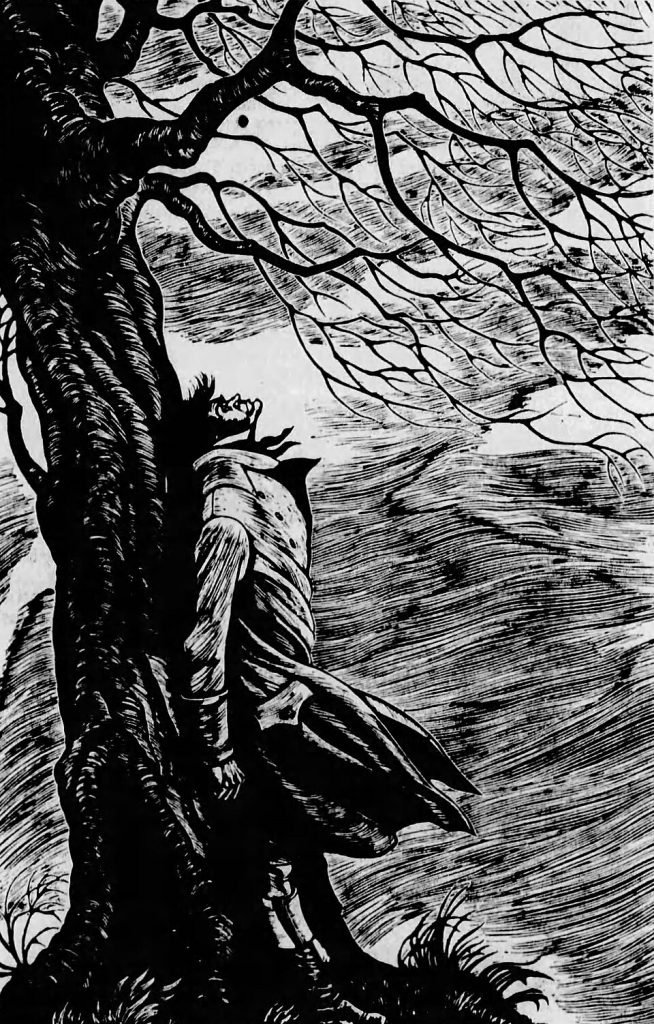
Gawain is ultimately fairly close to what a reader might think of when they think of an anti-hero. He is nuanced, not always good but not always bad, and while he sometimes acts in his own self-interest, it’s not always a bad thing. Still, the Byronic hero remains the closest precursor to our modern idea of an anti-hero. A Byronic hero as described by the historian Lord Macaulay, is “ a man proud, moody, cynical, with defiance on his brow and misery in his heart, a scorner in his heart, implacable in revenge, yet capable of deep and strong affection.” This, in many ways, fits what we might think of as an anti-hero now. Certainly we imagine an anti-hero to be cynical about the world and defiant of some aspect of the world or society, or perhaps just their current standing. Misery and tragedy also play a role in how we perceive anti-heroes. In modern media, anti-heroes are often given tragic backstories, something that justifies how they have turned out. The emphasis of these backstories allows room for empathy and connection, and in some cases, even allows you to root for the anti-heroes’ goals. Personal revenge is still a frequent motivator for the modern anti-hero, and in many cases, we do see anti-heroes with deep affections for other people. It is often their deep affections that are an element of what redeems them, if not within their society or world, within the eyes of the reader. Heathcliff, from Wuthering Heights, is an excellent example of a Byronic hero. He is a societal outcast, incredibly moody, he leaves home and returns years later with plans of vengeance, commits deplorable acts of violence, yet still none can deny his deep and profound love of Cathy. When he calls out to Cathy’s ghost the readers cannot help but feel sympathy for him.
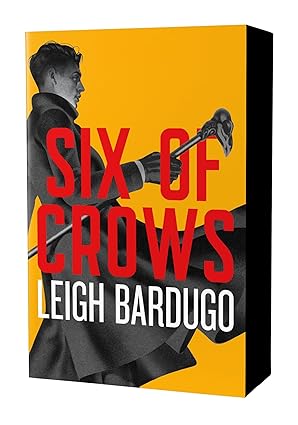
There has been a modern rebranding of the anti-hero as “morally grey.” That is, anti-heroes are frequently ambiguous and complex, they use questionable means to pursue their goals, they are capable of both good and bad actions, and in most modern books, they have a tragic past. Kaz Brekker, the main protagonist of the Six of Crows duology, who perhaps kicked off the renewed fervor for the “morally grey,” highlights all the best parts of anti-heroes. He is a crime boss and unashamed of it, clever and full of trickery, much like Odysseus, yet like Gawain, not without redemption. He seeks a goal of personal revenge after the cruel death of his brother, and is certainly brutal and unforgiving with his enemies, yet we see a kindness that he shows to his friends, and an unflinching devotion to the woman that he loves. Kaz Brekker is just one of many modern anti-heroes, whose roots we could trace through time. We seem to always find the anti-hero captivating, perhaps because, like the anti-hero, we all do both good and bad things, perhaps because we understand the desire to prioritize our personal desires and want to see that it’s not an inherently bad thing to do so, maybe we just find complex characters more interesting than someone who always does the right thing. Still, the ability to love and admire and find goodness in characters who aren’t always good is a beautiful testament to the author’s ability to write compelling characters and the human capacity for empathy.
Featured Image: Odysseus and Polyphemus by Arnold Bocklin, 1896. This work is in the public domain.
Images: Athena Appearing to Odysseus to Reveal the Island of Ithaca by Giuseppe Bottani, 1775. This work is in the public domain.
Depiction of the Trojan Horse on a Corinthian aryballos (ca. 560 BC) found in Italy. This work is in the public domain.
Robin shoots with Sir Guy by Louis Rhead, 1912. This work is in the public domain.
Illustration of Sir Gawain by Howard Pyle from The Story of King Arthur and His Knights, 1903. This work is in the public domain.
A wood engraving of Heathcliff by Fritz Eichenberg, 1943. This work is in the public domain.
Six of Crows by Leigh Bardugo. Published by Henry Holt and Co. Image used under fair use.